

Landlord Advice Centre
Being a landlord comes with a wide range of responsibilities, and keeping up with changes to legislation and compliance requirements can sometimes feel complicated.
Our Landlord Advice Centre is here to make things clearer. Drawing on our experience of managing residential property, we provide straightforward, practical guidance on the issues that matter to landlords – from changes in legislation and tenancy management to compliance, property standards and letting your property.
We regularly update our advice to reflect changes affecting the private rented sector in England. And, if you would prefer some help managing the responsibilities that come with being a landlord, our friendly team at Wrights Residential is always happy to help.

When Can a Landlord Refuse a Pet?
Last updated: September 2026
From 1 May 2026, tenants have a legal right to request permission to keep a pet in their rented home under the Renters' Rights Act.
This does not mean that every tenant automatically has the right to keep a pet. However, landlords must consider each request individually and cannot unreasonably refuse permission.
South West Registration Dates Confirmed
Last updated: September 2026
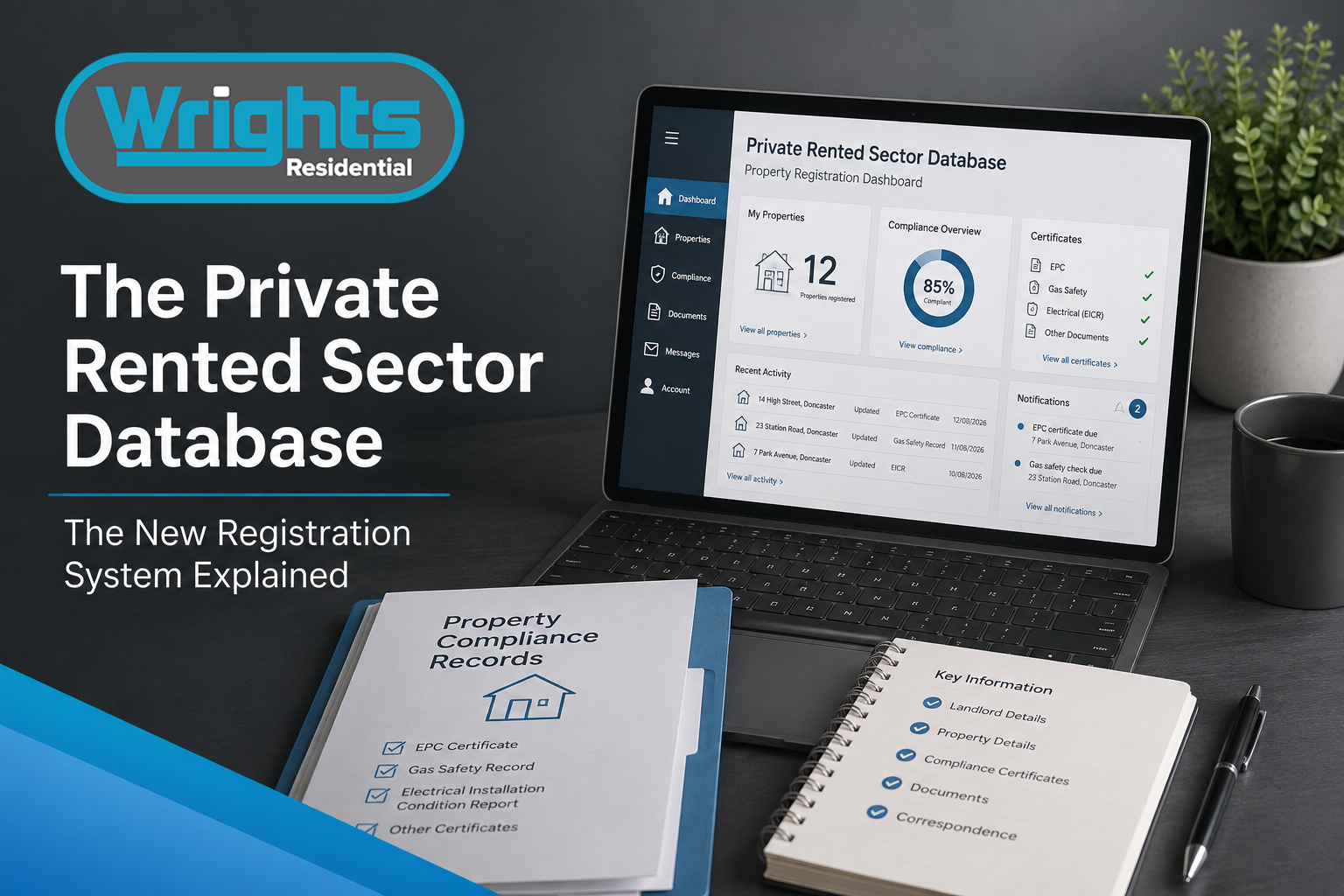
The Government has now confirmed further details about the new national landlord registration system being introduced under the Renters' Rights Act.
The new service, called Register your rental property, will form the first stage of the new Private Rented Sector Database. Landlords will be legally required to register their rented properties, with the system being introduced gradually across England on a region-by-region basis.

A New Complaints Service for the Private Rented Sector
Last updated: August 2026
The Renters' Rights Act introduces a new Landlord Ombudsman for the Private Rented Sector in England, creating an independent service through which tenants will be able to raise complaints about their landlord.

The Essential Checks, Certificates and Responsibilities
Last updated: August 2026
Keeping a rental property safe is one of a landlord's most important responsibilities. However, with gas certificates, electrical inspections, appliance testing, fire safety and Legionella assessments all being discussed within the lettings industry, it is not always obvious which checks are legally required and which are simply recommended good practice.
How and When You Can Increase the Rent
Last updated: August 2026
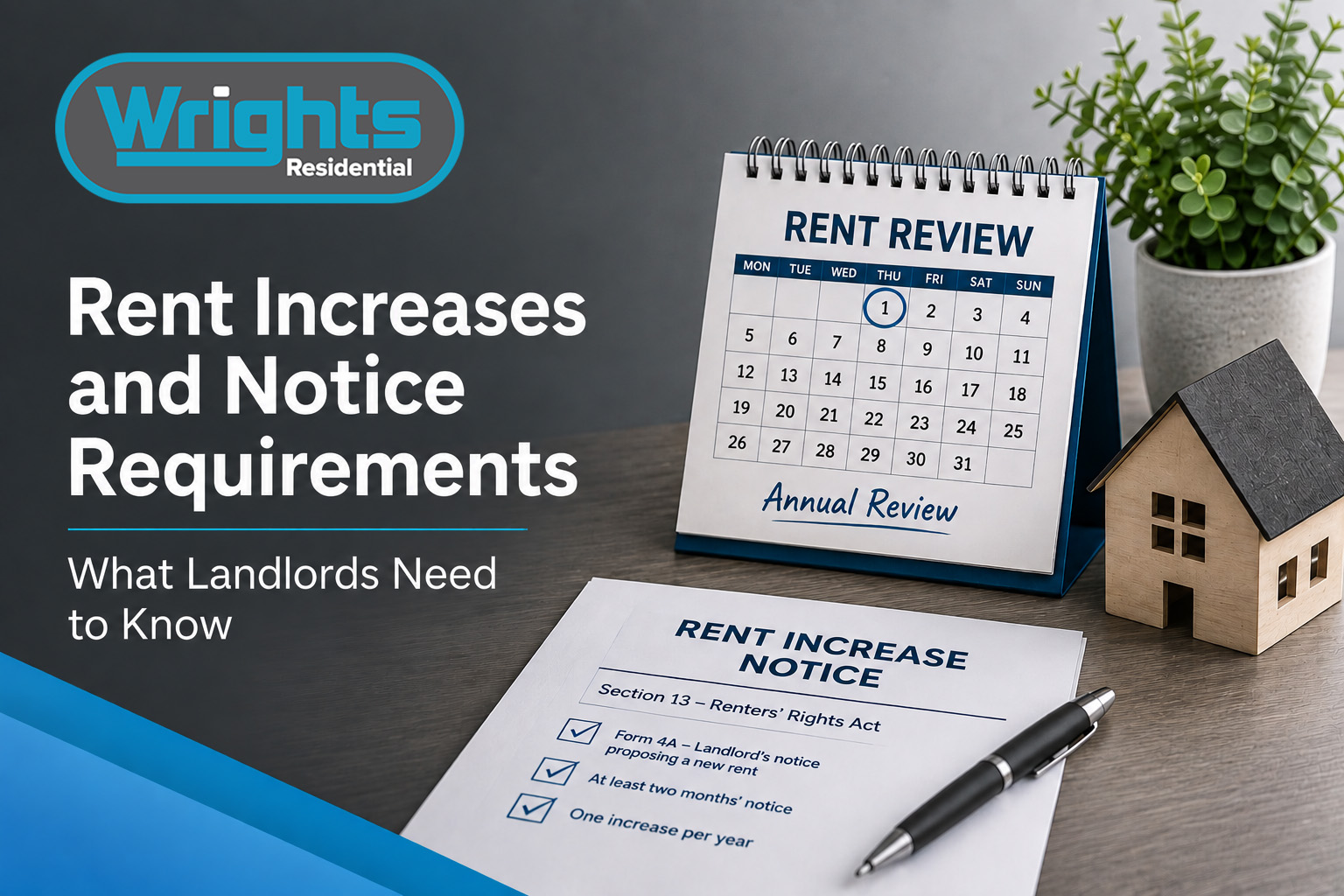
The Renters' Rights Act has changed the way landlords in England can increase the rent during a tenancy.
Since 1 May 2026, landlords of assured periodic tenancies must follow a prescribed process when increasing rent. Rent increases are limited to once a year, tenants must receive at least two months' notice, and landlords must use the correct statutory form.
When and How You Can Regain Possession
Last updated: August 2026
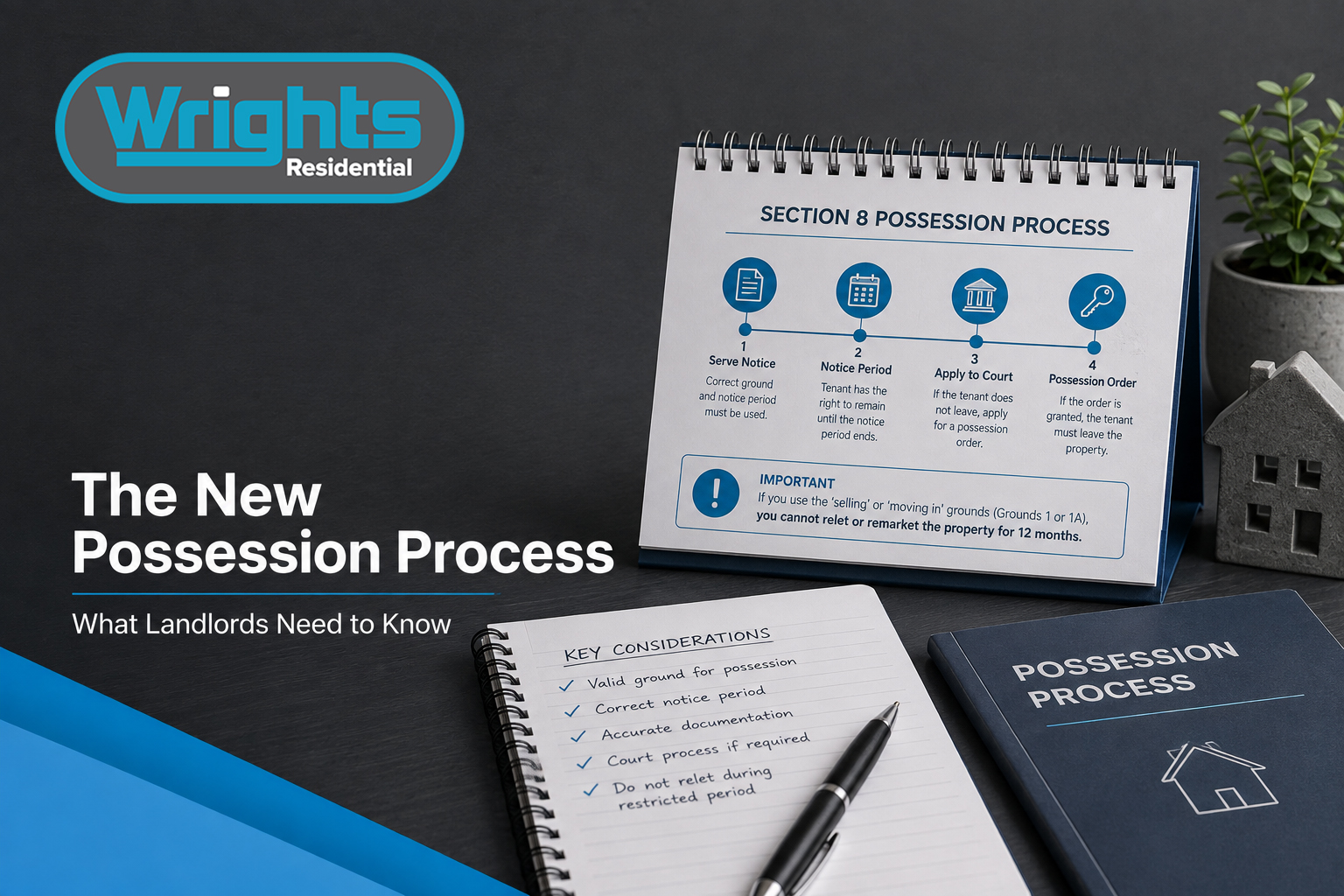
The Renters' Rights Act has changed the way landlords in England can regain possession of their rental properties.
Since 1 May 2026, Section 21 can no longer be used for new possession notices. Instead, landlords who need to regain possession must have a valid legal reason for doing so and use one or more of the possession grounds set out in law.

Understanding the New Periodic Tenancy System
Last updated: August 2026
The Renters' Rights Act has brought significant changes to the way residential tenancies operate in England. One of the most important changes for landlords is the move away from fixed-term Assured Shorthold Tenancies (ASTs) to a new system of assured periodic tenancies.
Which Letting Service Is Right for You?
Last updated: August 2026
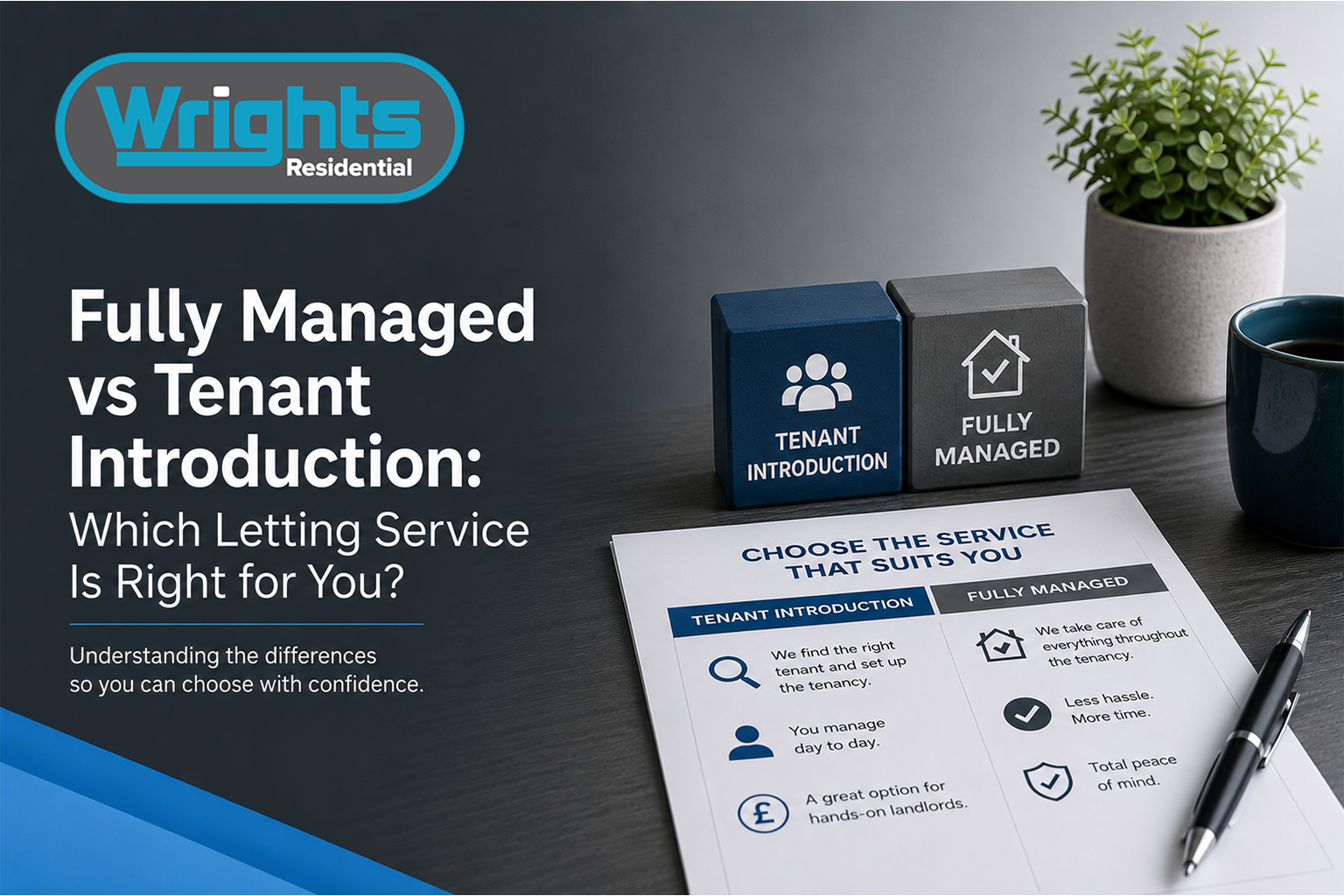
Choosing the right letting service is an important decision for any landlord. While some landlords enjoy being closely involved in the day-to-day management of their property, others prefer to hand over the responsibility to an experienced letting agent.
What Are the Rules?
Last updated: August 2026
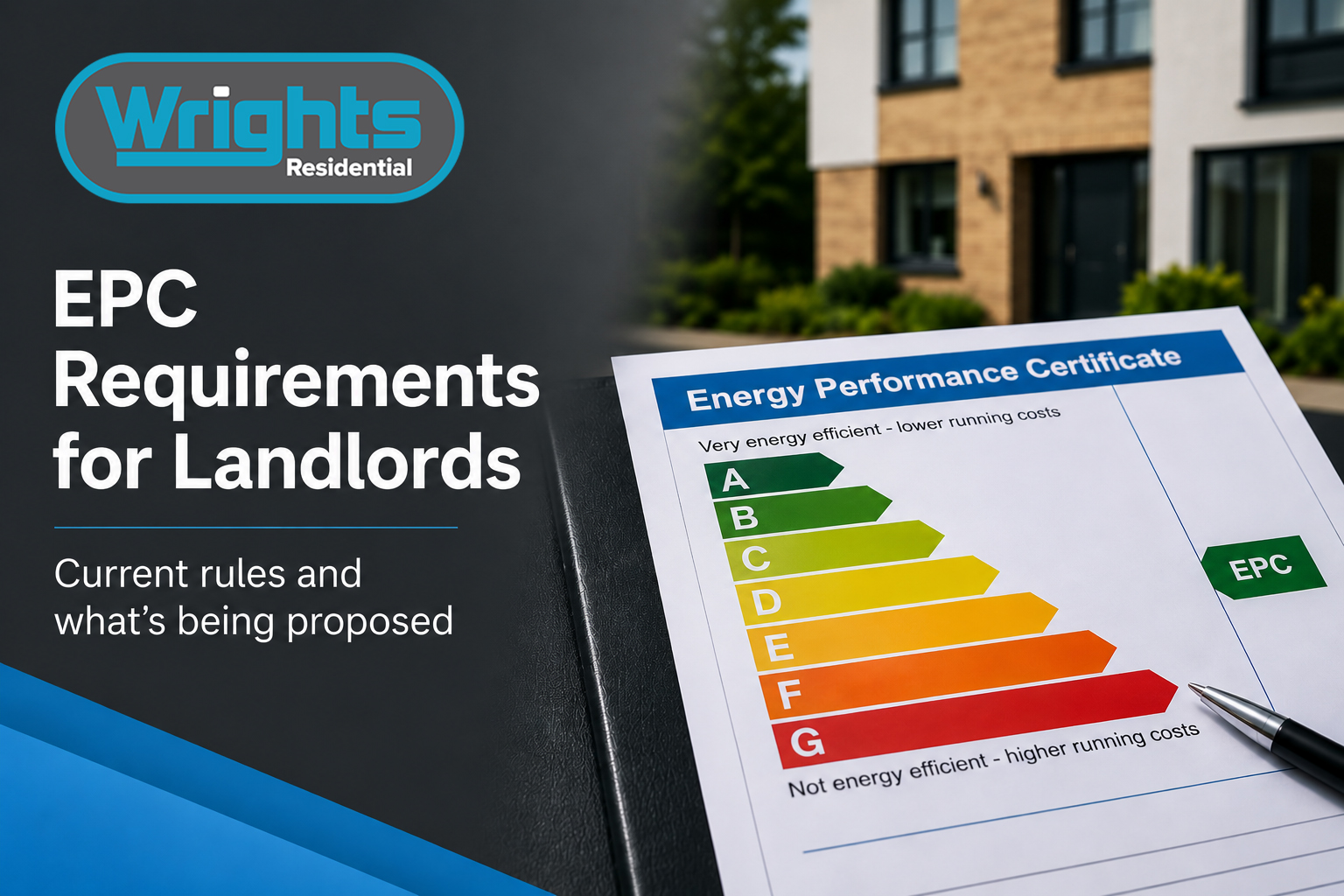
There has been a great deal of discussion surrounding Energy Performance Certificates (EPCs) and the possibility of higher minimum energy efficiency standards being introduced for privately rented homes.


