

South West Registration Dates Confirmed
Last updated: September 2026
The Government has now confirmed further details about the new national landlord registration system being introduced under the Renters' Rights Act.
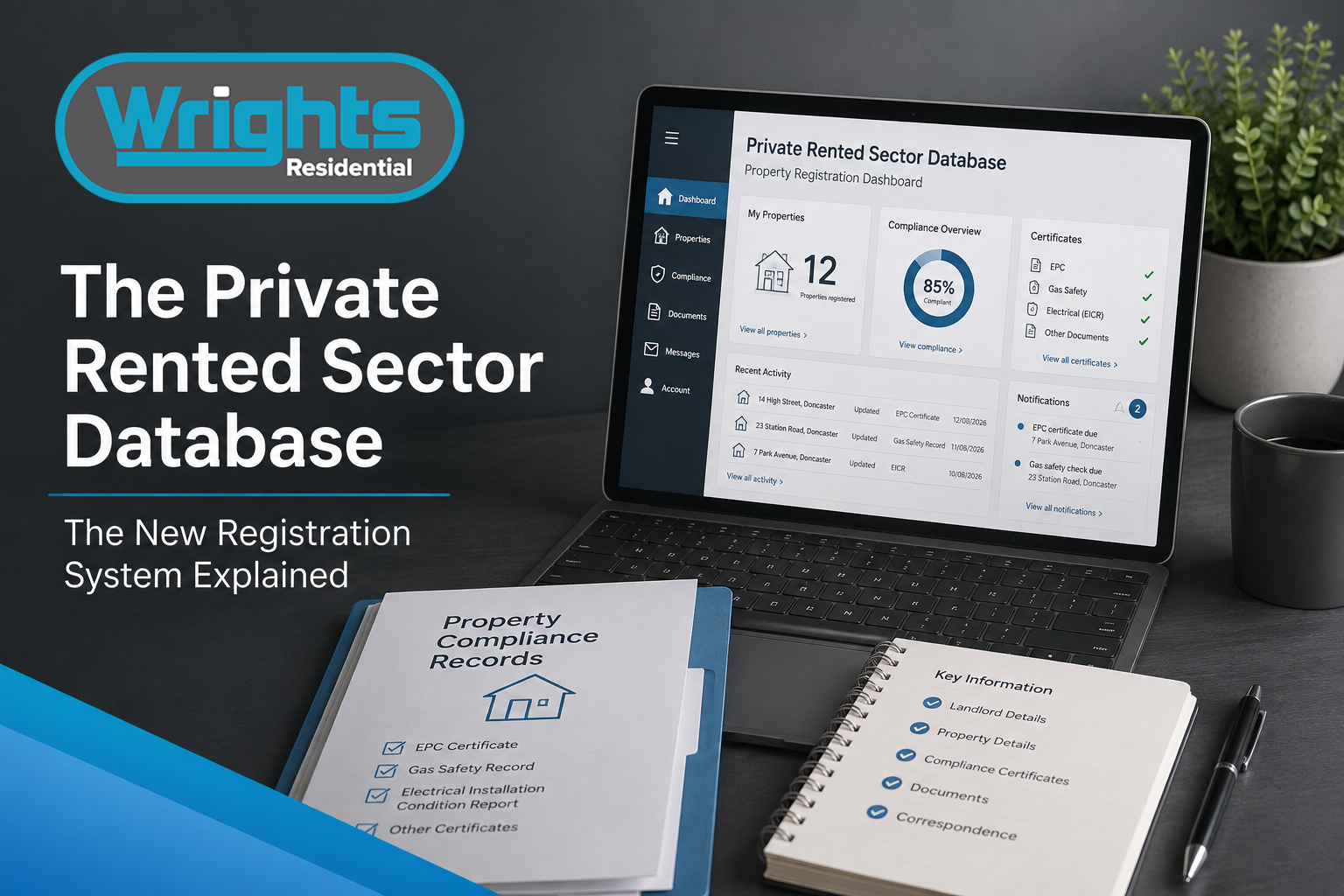
The new service, called Register your rental property, will form the first stage of the new Private Rented Sector Database. Landlords will be legally required to register their rented properties, with the system being introduced gradually across England on a region-by-region basis.
For landlords with properties in the South West, registration will open on 15 August 2027, with a deadline of 14 November 2027.
This means landlords in our area do not need to register yet, but we now have a clear timetable for when the new requirement will apply.
When Does Registration Start in the South West?
The Government is introducing the new register in stages rather than requiring every landlord in England to register at the same time.
The first region will be the West Midlands, where registration opens on 15 December 2026. Other regions will then follow over the course of 2027.
For the South West, the timetable is:
- Registration opens: 15 August 2027
- Registration deadline: 14 November 2027
- Annual registration fee: £65 per property
Landlords will therefore have a three-month registration window once the requirement begins in the South West.
If a landlord owns properties in more than one region, each property will need to be registered according to the timetable for the region in which that property is located.
What Is the New Landlord Register?
The "Register your rental property" service is being introduced as part of the wider Private Rented Sector Database.
The intention is to create a national record of private landlords and their rented properties.
The database is also intended to provide landlords with a central source of information about their legal responsibilities and allow them to demonstrate compliance with relevant requirements.
For tenants, the database is intended to provide greater transparency about the property they are renting and their landlord.
Local authorities will also be able to use the information to identify properties and landlords and support enforcement where standards are not being met.
How Much Will Registration Cost?
The registration fee has now been confirmed as £65 per property, per year.
This is therefore an ongoing annual cost rather than a one-off registration fee.
For landlords with several rental properties, each property will need to be registered and the annual fee will apply to each property.
What Information Will Landlords Need to Provide?
The Government's implementation plans indicate that registration is expected to include information about both the landlord and the individual rental property.
This is expected to include:
- landlord contact details, including relevant details for joint landlords;
- the property's full address;
- the type of property, such as a house or flat;
- the number of bedrooms;
- information about occupancy and whether the property is furnished; and
- safety and compliance information, including gas safety, electrical safety and Energy Performance Certificate information.
The detailed registration process and final information requirements will be confirmed through regulations and guidance as the service is rolled out.
Which Properties Will Need to Be Registered Initially?
The initial registration requirements will apply to properties that are already let or become occupied during the regional rollout.
Future legislation is expected to extend the requirement so that unoccupied properties will also need to be registered before they are marketed for rent.
At that stage, landlords and letting agents will also be required to include the property's registration number in advertisements.
What Happens If a Landlord Doesn't Register?
Registration will be a legal requirement rather than an optional accreditation scheme.
Initial failure to register a property can result in a financial penalty of up to £7,000.
Repeated or more serious breaches can result in financial penalties of up to £40,000.
It will therefore be important for landlords to register within the relevant deadline and keep the information held about their properties up to date.
What Should Landlords Do Now?
For landlords with properties in the South West, there is no requirement to register yet.
However, with the registration date now confirmed, it is sensible to start making sure that property and compliance records are complete and easily accessible.
In particular, landlords should ensure that, where applicable:
- Gas Safety Records are current;
- Electrical Installation Condition Reports are current;
- Energy Performance Certificate details are readily available and a valid EPC is in place where currently required; and
- property and ownership details are accurate and readily available.
The South West registration window does not begin until 15 August 2027, so there is time to prepare before registration becomes mandatory.
What If Wrights Residential Manages My Property?
Using a managing agent does not remove the landlord's requirement to register.
Landlords will still be responsible for ensuring that they and their properties are registered when the requirement applies in their region.
For landlords using Wrights Residential's Fully Managed service, we already hold and monitor much of the property and safety documentation expected to be relevant to registration.
As further guidance is released and the South West registration date approaches, we will keep our landlords informed about what they need to do and any information they will need to provide.
Wrights Residential Will Keep You Updated
There is no need for South West landlords to take immediate action or attempt to register at this stage.
The important dates to remember are:
- 15 August 2027 – registration opens in the South West
- 14 November 2027 – registration deadline
We will continue to monitor the rollout of the new system and update our landlords as further guidance and details of the registration process become available.
Please note: This article provides general guidance for landlords in England and is based on Government information available at the date of publication. Requirements and implementation details may be updated as the Private Rented Sector Database and Register your rental property service are rolled out.


